1991: Negotiating a Strand 2 talks venue + complaints that Paisley was locked out of his toilet #20YearRule

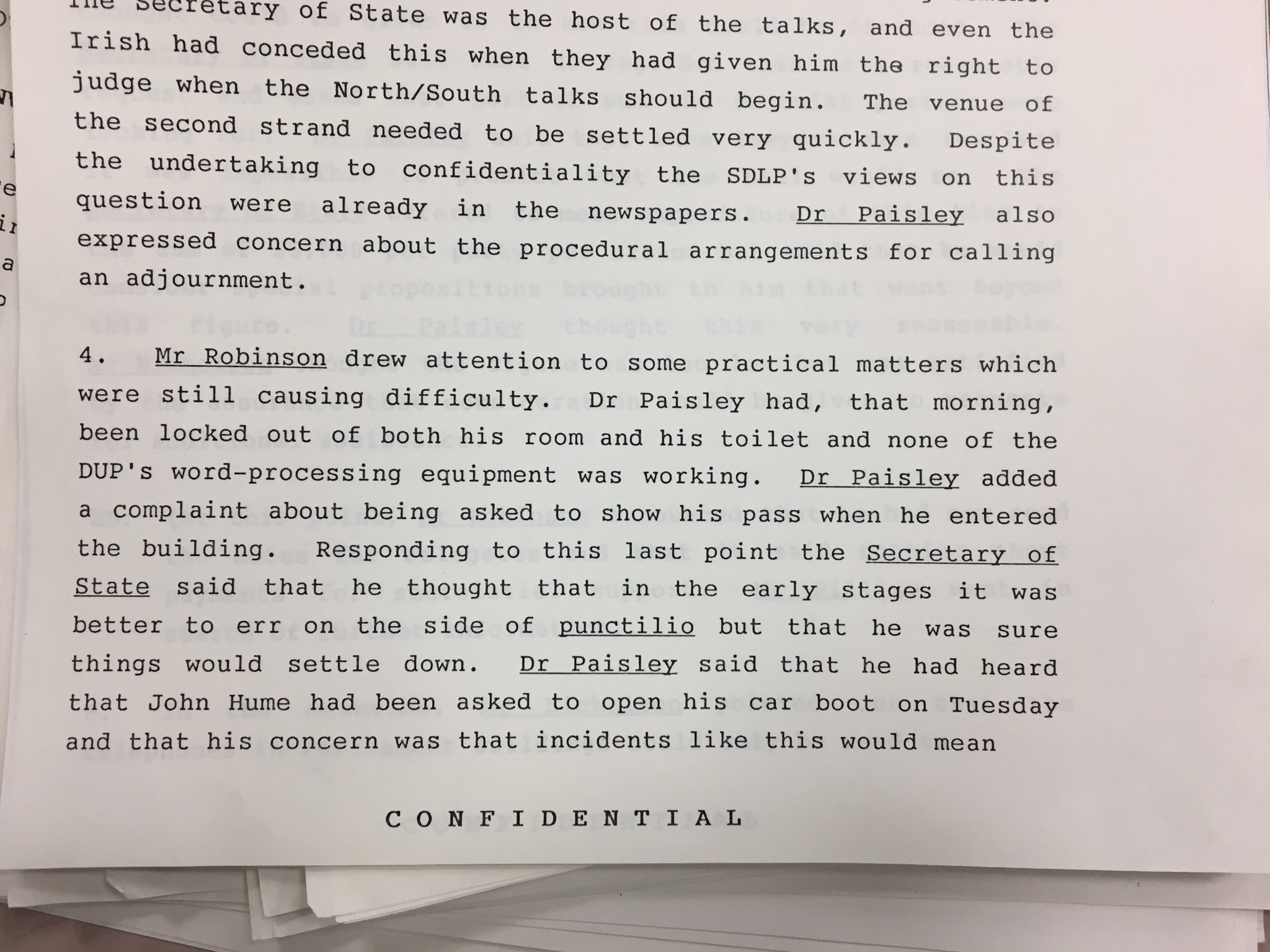
One single buff-coloured file, three or four inches thick, contains the stapled minutes of NIO meetings with political parties in May 1991 as they negotiated about the strand one, two and three talks. While perhaps the single most frustrating file I’ve flicked through in PRONI over the last couple of years, the level of detail in the civil service minutes of meetings is incredible, and the retention of humorous asides provides a lot of colour about the characters involved and their relationships.

1989: Civil service chief: Alliance’s “usefulness as a party has been as a catalyst rather than a main player” #20YearRule

Files released today under the 20 year rule contain Sir Kenneth Bloomfield’s August 1989 proposals for ‘a model of consensus government’ – with a structure ’management committee‘ to help set departmental policy under direct rule – included a damning assessment of the Alliance Party, “their usefulness as a party has been as a catalyst rather than a main player”.

1990: Tory & Unionist pressure group proposed two month terrorist amnesty for offences short of murder #20YearRule

The pressure group – The Monday Club – for which membership of either the Conservative Party or the UUP was a prerequisite to be a member recommended in 1990 to the Secretary of State Peter Brooke that there should be a two month amnesty for terrorist activities (short of murder) and that the Union should be made permanent as the provision to leave only encouraged terrorists.

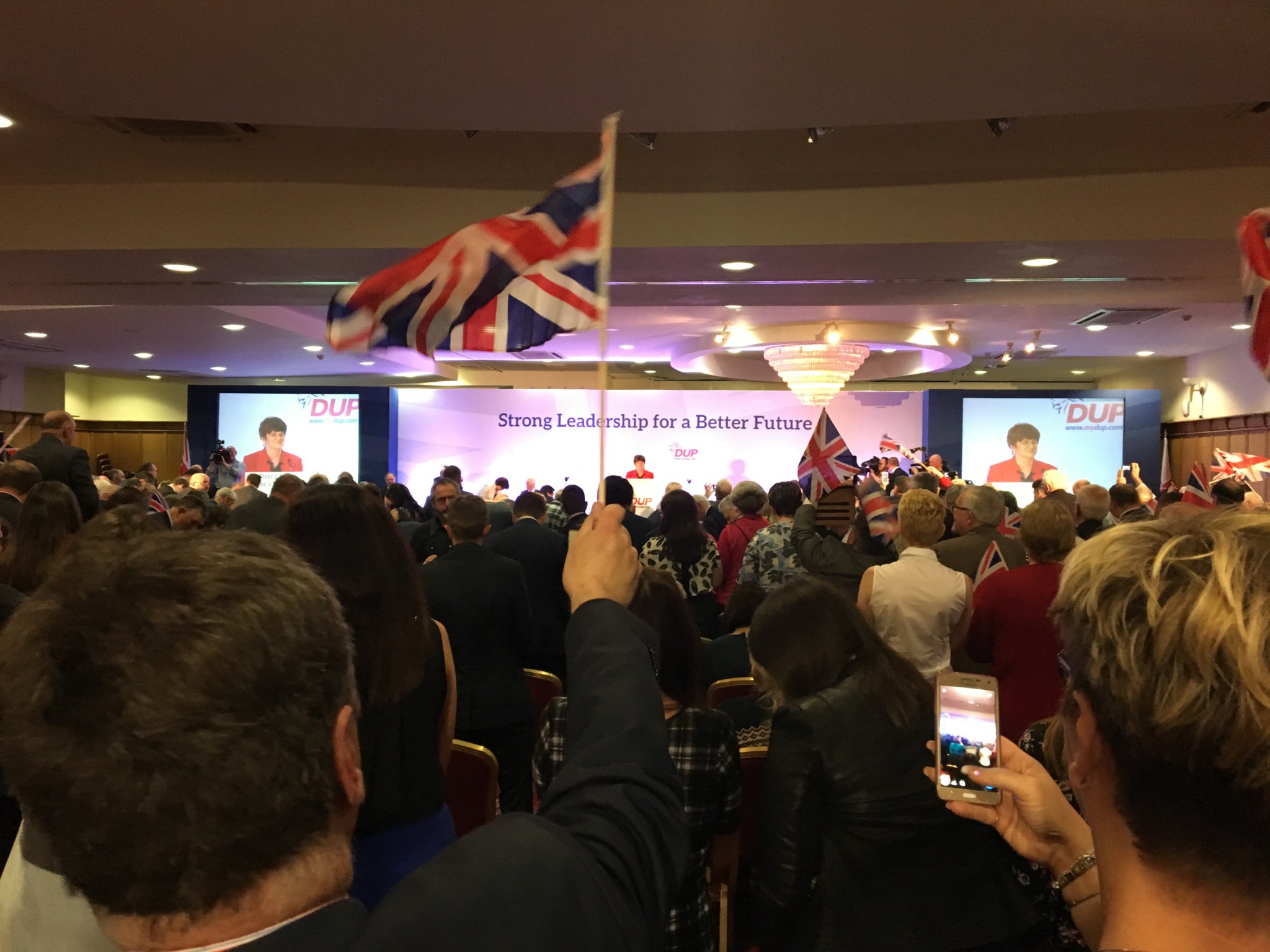
DUP promise “a balanced deal” at conference that lacked its normal spark #dup17

The religious zeal and fervour normally on show at the November DUP conference was missing from much of today’s proceedings. The banter, jeering and spontaneous bursting into song was muted, actively discouraged (or forbidden). The flags, normally already laid out on seats when the delegates arrive, were only distributed after lunch. It seem that with supposed power in Westminster comes responsibility.

Previewing this weekend’s DUP conference #dup17

Tomorrow’s DUP conference is a big moment for the DUP and one that they’ll want to steer away from the evangelical zeal (and language) of some previous conferences to look modern and trustworthy as the eyes of the world’s press fall on their demeanour as much as their message.

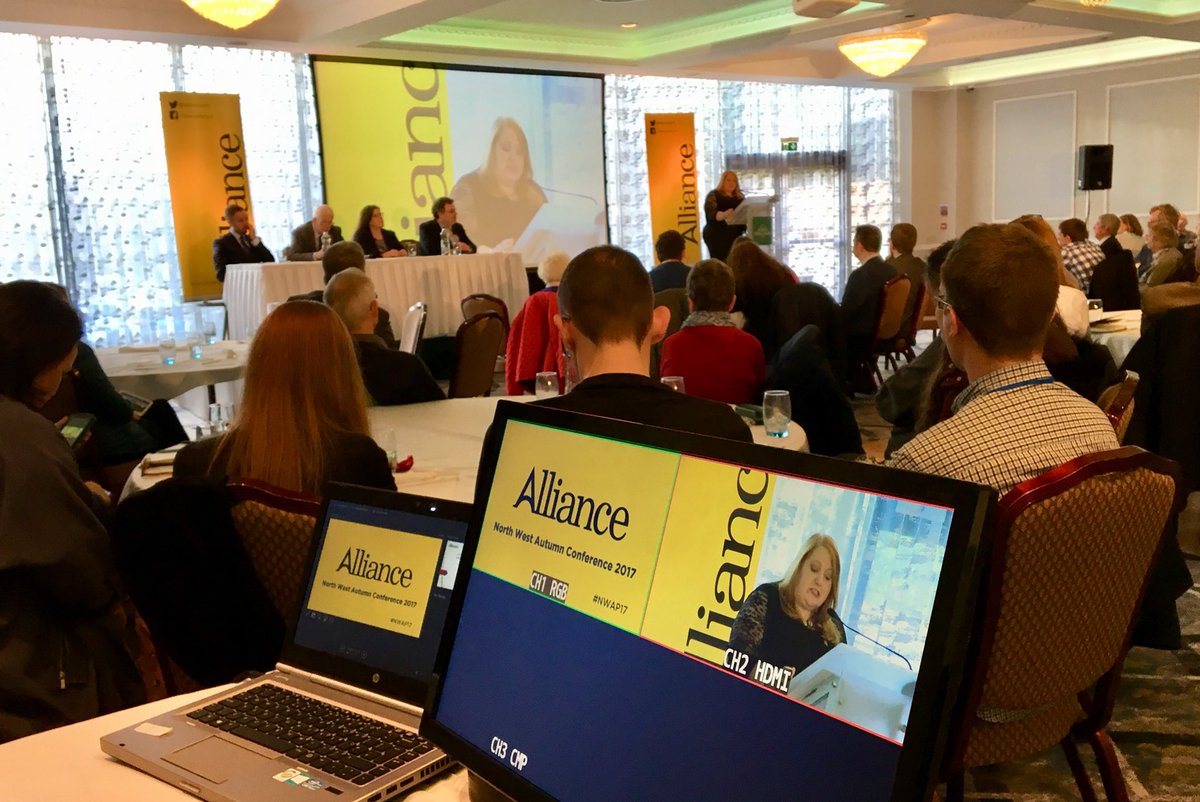
Long: “a battle of hope over expectation [but] good work is never wasted” #NWAP17

In her speech to the party’s autumn conference held in Derry, Alliance leader Naomi Long this afternoon called for a way to be found through the current political impasse to “[demonstrate] through words and actions, mutual respect for both British and Irish Identity and our commitment to share this space together, in co-operation rather than conflict”.

No Stone Unturned – a film that finally lifts the Loughinisland stones the RUC wouldn’t touch

New documentary examining the Loughinisland massacre goes deeper into the evidence that any existing investigations, naming the chief suspects. An exemplar on how to tell an investigative story in a manner which gives dignity to the victims and their families, No Stone Unturned avoids politicisation and politicians, and exposes the messy ‘dirty war’ that was thoroughly intertwined with the paramilitary action during the Troubles.

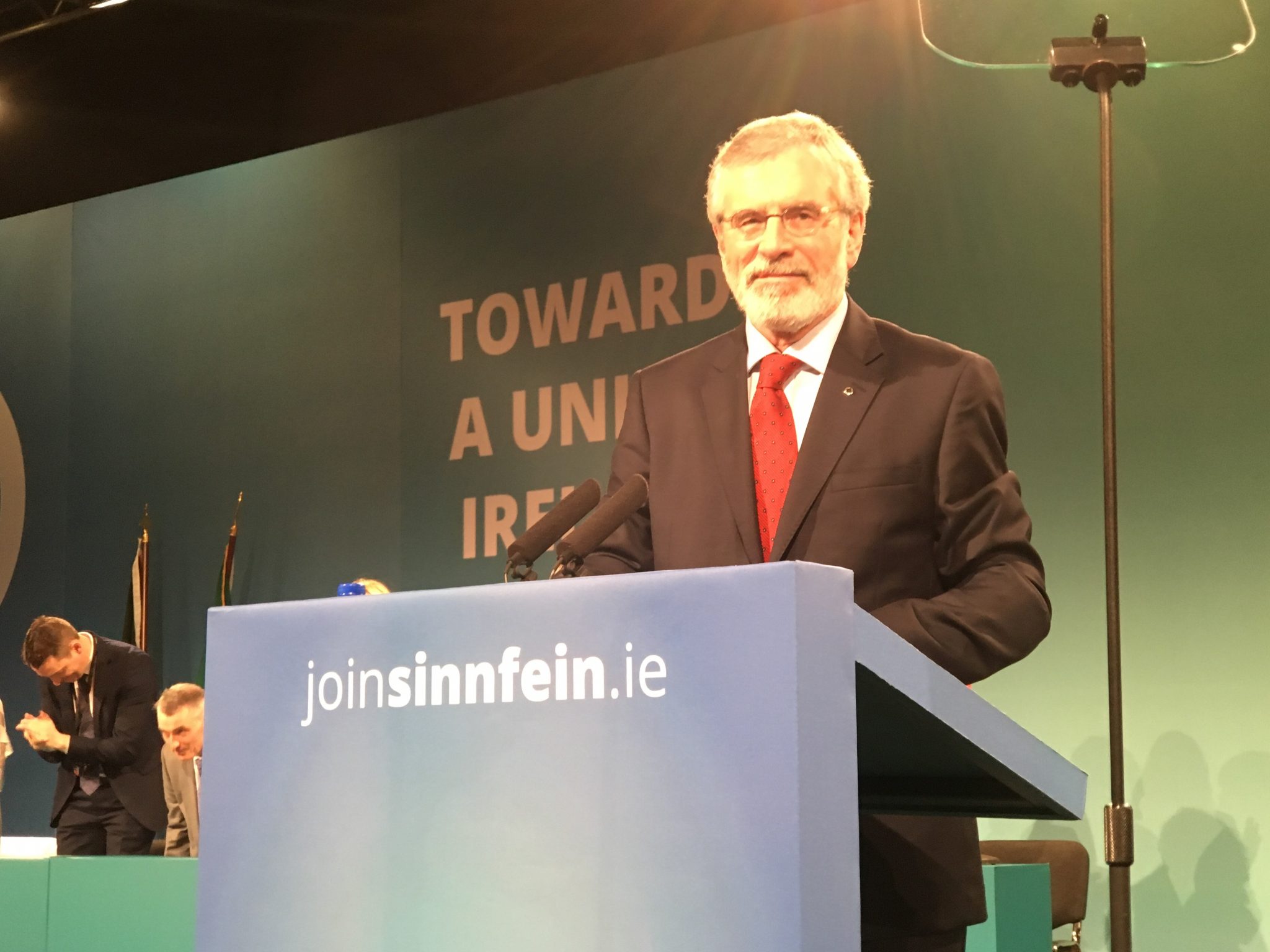
Swann calls for a ‘new unionism’ of ‘radical moderates’ at strident conference #UUP17

Sustained anti-Irish Language Act rhetoric was an effective smokescreen that diverted attention from any focus on the UUP’s disappointing election results. Robin Swann confidently delivered his first speech to conference as party leader with a call a new unionism and the desire for radical moderates (though he was light on detail).

Greens thankful for consolidation and plan for further growth

GREEN PARTY NI hired a larger room this year in the Clayton Hotel for their annual party conference. As well as hearing from Clare Bailey who was stepping down as deputy leader, party leader Steven Agnew spoke about his thankfulness for volunteer commitment and stable finances that had sustained the party through unexpected elections and a desire to see the professionalism of their ground campaign continue to grow. The morose political mood across society was less evident than I expected.

Slow diplomacy, women’s suffrage, Brexit & urban beekeeping – Mount Stewart Conversations

Maybe a dose of distance and diplomacy is what the NI political talks need? Country estates like Mount Stewart offered hospitality and privacy to decision makers. It was an age of slow diplomacy. Something that the National Trust are celebrating in their second year of hosting the Mount Stewart Conversations at their lough shore property.

If Belfast is a beautiful city, then why plague it with a black sticker pox?

A nasty disease is spreading across Belfast. The Assembly Rooms – which nestle at the intersection of Donegall Street, North Street and Waring Street – have recently been the victim of the ugly pox which can is identifiable by its black triangular stickers bearing three letters and a tag which refers to an Instagram account, a hashtag and a website.

Mount Stewart Conversations are back on shores of Strangford Lough on 14 & 15 October

NATIONAL TRUST’S Mount Stewart Conversations are back on 14 and 15 October with a range of speakers, music, performers and activities on the lough shore site. Figures like Ian Hislop, Rosie Boycott, Rachel Johnson and Fintan O’Toole will be talking about historic and contemporary issues. Standing alongside the world-renowned gardens, the country house was the scene of many political and diplomatic talks in past ages.

Dealing with crisis: Stormont campbeds, staffing a post-nuclear government, & scramblers #20YearRule

THE CAMPBEDS were brought out of the Stormont store in preparation for any disruption marking the first anniversary of the signing of the Anglo-Irish Agreement. In a post-nuclear situation, civil servants without “abnormal domestic ties” would have helped run NI. And phone systems and scramblers occupied the NI Emergency Committee according to papers from the late 1980s released under the 30/20 Year Rule.