
Every law restricts our freedom and it is right that people stop and consider whether additional laws are really necessary.
I am old enough to remember when a law was introduced (1973) requiring motorcyclists to wear helmets and there were many motorcyclists who objected to this removal of what up to then had been freedom of choice.
Some will remember seeing the ‘Clunk Click, Every Trip’ adverts in the days when wearing seatbelts was optional, but then in 1983, a law was brought in to make the car driver liable to a fine if any of their passengers were not wearing seatbelts. This is because too many people were ignoring advice and still not wearing seat belts for shorter journeys and then suffering avoidable injuries or even deaths.
In each of these examples, society decided that a further restriction on human freedom could be imposed to avoid the risk of serious injury or death. On each occasion people who were unused to such restrictions claimed this was unfair and made their protests, but looking back these restrictions make sense. Very few of us would support repealing these restrictions.
I believe we need a similar decision about bonfires.
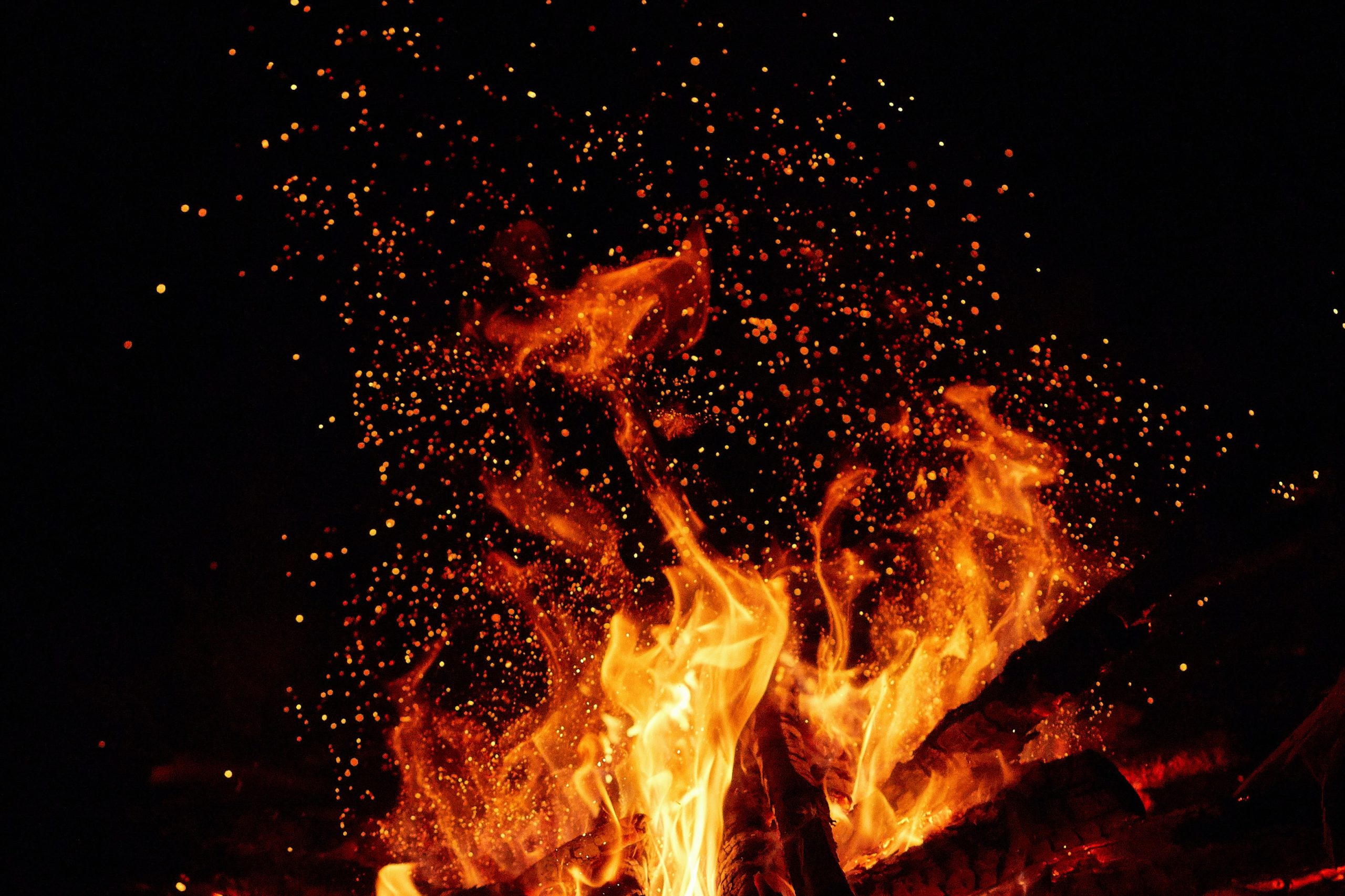
At the moment it is apparently legal and considered acceptable that groups of men take over unused land near housing, that they build massive structures out of wooden pallets using building practices that would never be tolerated on a building site because of the risk of death or serious injury.
It is legal and accepted that they adorn these structures with whatever political message they choose and then set fire to these towers while crowds observe from nearby.
It is expected that the NI Housing Executive board up the windows of houses that are so close that their window frames could be damaged by the heat of the fire; when these measures are not enough our fire service are expected to hose down houses that are in danger of damage.
Because all of this has been tolerated in the past, some argue (as they did with motorcycle helmets and seat belts) that it would be wrong to regulate this system. These freedoms are traditional and cultural, we are told.
The current practice of expecting the PSNI to make the final decision on any bonfire is not fit for purpose.
Since 1998, the size of our bonfires has grown enormously. Five metres tall used to be normal, but we now have bonfires in excess of 60 metres tall, and the risks grow as the height increases. Some keep pretending that the bonfires are built by local children on their own initiative, but everyone knows that groups of local men are in charge of the structures, sometimes organising lifting equipment for the larger bonfires.
Some will argue that the number of houses damaged each year is small and blame the housing executive or fire service for not doing more to protect houses. They will say that only rarely do we see houses burned down. Others will argue that the number of deaths or serious injuries at bonfire sites each year is small, but for the families of those involved, the suffering can be immense.
I suggest that we need a Bonfire Commission that will consult with the public on the rules that must be followed to protect the safety of those building bonfires, to protect the safety of property in the vicinity of the bonfires, and to minimise inconvenience to those living near bonfire sites. I personally believe that any bonfire taller than 4 metres should require a licence from a Bonfire Commission but an open consultation with the general public, including the bonfire builders, would be a good way to judge what is in the public interest.
What do you think?
Previous article on a Bonfire Commission.

Arnold is a retired teacher from Lisburn, now living in Belfast.
Discover more from Slugger O'Toole
Subscribe to get the latest posts sent to your email.


