Fr. William/Conswater is an Anglican Priest in England, but was born and educated in Belfast.
In April (28th) of this year Donna Moore contributed a piece here on the subject of assisted dying. It was a very useful contribution to the discussion. Clarifying what is meant by assisted dying and raising a number of real concerns about the bill currently before parliament. On May 29th it was reported that a second Liberal Democrat MP had withdrawn their support for the bill. Brian Matthew has expressed concern that the terminally ill will decide to end their lives because they will see themselves as a burden on others. Interestingly it was back in March (23rd) of last year that David Jamison wrote here on Slugger that:
most of the opposition seems to relate to the perception of a great risk that people would feel pressured into accessing an assisted solution for one reason or another examples could be being a burden on family or society, financial reasons and so on
All legislation is imperfect, every political decision has costs and benefits. Popular opinion, which has been supportive of assisted dying for some time, is fickle and further, a democratic mandate does not ensure that legislation is prudent, that it will stand the test of time. And of course in so many areas of policy as Donna writes:
policy makers are often ill-served listening to agenda-driven activists, and would be better off paying heed to experts
But democracy is not simply about the advice of “experts”, and further, experts often have vested interests. Doctors often offer treatments patients do not want.
Pneumonia was often described a few decades ago “as the old man’s friend”. It shortened the process of dying. Modern medicine often extends the final, unpleasant stages of the dying process. Palliative care has its limitations and many people do not want a few extra weeks of confusion, pain, dehydration and wasting. They would rather die sooner rather than later. Most of us have had relatives who have died slower than they wished, and most of us have had suffering animals we have chosen to have “put to sleep”. Some folks here understandably object to comparing ending an animal’s suffering with ending a human life. But for many others, ending suffering, pain, distress in the context of there being no hope of restoration of health, is an act of love, whether to a cherished human or a companion animal. However, animals cannot give their consent, so we need to be careful in making the analogy. Nevertheless, death is the great leveller and death and birth, both powerfully remind us of our fleshy animal reality. Food, drink, flowers, birdsong and sunlight are the obvious physical delights that spring to my mind, but physical contact, touch, that is something which a child, adult, dog and cat crave, and physical contact is part and parcel of the value of existence. We are corporeal, and in the hospice folks ask for their hand to be held. But for the really uncomfortable, the really distressed, there is little comfort in a hand held. When in real pain, the physical distress often eats away at our human ability to take joy or even comfort, in material presence.
Christians are often seen as a cohesive group who oppose abortion and assisted dying. Yet, the former Archbishop of Canterbury, George Carey, has supported Kim Leadbeater’s bill. Speaking in the Upper Upper House he said:
“it is necessary, compassionate and principled”.
I have, as many personal family experiences, as most folks, of witnessing suffering and distress during the final weeks of the dying process. Folks I loved and still love despite modern medical intervention were often in pain and in distress in the days before consciousness was lost. As a priest I also have experience of those who have pleaded with me that they might die and I have experience of those who have ended their life after a diagnosis of a terminal illness.
Life can of course be viewed as a terminal illness. But to me that is trite. It is when we have a terminal diagnosed condition and it has run its course, when we really know that we are living our last days, weeks or months that our mortality really weighs upon us. It is then, that the balance of cost and benefit between being alive and being dead, is really processed. For many of us quality of life is the key metric, and the quality of life we enjoy or don’t have, of course, has implications for those we love and who love and care for us.
Increasingly I am told by folks that they do not want to be resuscitated, that they do not want antibiotics if they are close to death. And that they would like the option of deciding to end severe suffering weeks or days before the inevitable. There is now a widespread fear of the last phase of death. This fear is largely derived from experience, of witnessing loved ones enduring medicalised extended dying.
Sadly, we all know that some folks end their lives months before they become obviously ill. They do so partly out of fear that once severely ill they will lose the agency to be able to end their life. I respect such decisions, but they depress me. It would be good to create an environment in which such fears do not drive people to premature deaths.
Sometimes such suicide decisions are made in mental torment and they are actions carried out in loneliness. Further they are often shockingly messy and unpleasant ways of ending life, ways which distress family and friends and leave psychological scars on others for the rest of their lives. Sometimes such folk, who kill themselves at home, had potentially, weeks if not months of relatively quality time ahead of them, time to spend with grandchildren and children, time to enjoy nature and worship. Yet under the current legal framework they choose death over life, if life has value, that is so sad.
Yet I must respect such decisions given the overly optimistic, sometimes cruel and often uncompromising constraints of modern medical legal practice. Some folks refuse treatment towards the end, and some doctors and nurses even ask priests to try and persuade patients to accept treatments that will neither save their lives nor reduce their suffering. Rarely, but nevertheless, sometimes, we are asked to try and persuade terminally ill patients to eat and drink, to prevent the patient dying rapidly. Yet that is often the very reason the patient has stopped eating and drinking. The religious, and sometimes even those not ostensibly religious, have already asked for a final prayer and blessing. Final words from a priest may or may not be instrumental in folks letting go, but it is common for folks to pass away shortly after being signed with The Cross. Interestingly, it is never, it seems, doctors or nurses who work in hospice contexts who ask priests to persuade patients to accept life extending final desperate treatments or to eat and drink. And of course, in such circumstances of futile medical treatment and care, those of us in dog collars feel stereotyped. We are not generally naive, we know more than most, how gruelling the last few weeks of life can be. Jesus died on a cross but he died within the day. One day. A day of intense physical torment is the basis of the faith we inherit, cruelty, despair, horror, but one day only.
Yes, many in the last stages of life sleep a lot, sometimes they have a short burst of lucid enjoyment of family and friends, but sometimes there is constant pain, and blindness, confusion, thirst and the only kindness lies with the morphine driver.
In John’s gospel Jesus is recorded as saying:
A thief comes only to steal and kill and destroy. I have come that they may have life, and that they may have life, and have it in abundance.
Abundant life, not miserable suffering, that is how Christ presented his purpose.
Death is a destroyer, it steals our loved ones.
Dying is a thief, it robs us of dignity and so too of course does dementia, dementia with its horrible confusion robs us even of who we are, our very central personhood.
We live in complex times, we live in a world where many of the dying have seen far more of life than they want and the final few days or weeks are not opportunities to enjoy and celebrate love but times of unnecessarily extended pain and distress.
And for those with advanced dementia, the incontinence and the confusion are deeply distressing and yet of course, and quite properly, Leadbetter’s bill offers no respite for such folks. That is because the measure is not one to allow others to make decisions for folks, it retains a strong commitment to the notion of agency, it is not a bill to allow involuntary euthanasia it is a bill to allow assisted dying.
Long life is now the norm. When I take Holy Communion to care homes for the elderly many folks are in their late nineties. Yet even in the early 20th century it was unusual to live into the eighth decade of life, never mind the tenth. That is why the original state old age pension of five shillings, introduced by Llyod George, was not available until people turned 70. By 70 the costs were manageable. Death from tuberculosis, pneumonia, scarlet fever, influenza, industrial injury and mid-life heart disease were all common. Now we tend to waste away, I have lost count of those in their 90s who have told me they feel they have lived too long, all contemporaries dead, even sometimes their children dead. But of course if they are not clearly dying and in distress we want them to live and to enjoy their final days as best as possible. Many, very many in my experience, however, now die in a very slow withering akin to how Shakespeare wrote of old age, but slower and longer lasting, with a biologically unnatural final few weeks of mental and physical torment:
second childishness and mere oblivion. Sans teeth, sans eyes, sans taste
Of course we should rejoice in the gift of life, even life in our 90s in a care home, life can be so wonderful even in the small things, but if we accept the metaphor of life here as a journey and a gift, it must come to an end. But a slow pointless and tormented final few weeks at the end of the journey is no gift.
As the hymnist wrote:
Life…to both great and small..true life…we blossom and flourish as leaves on the tree, and wither and perish
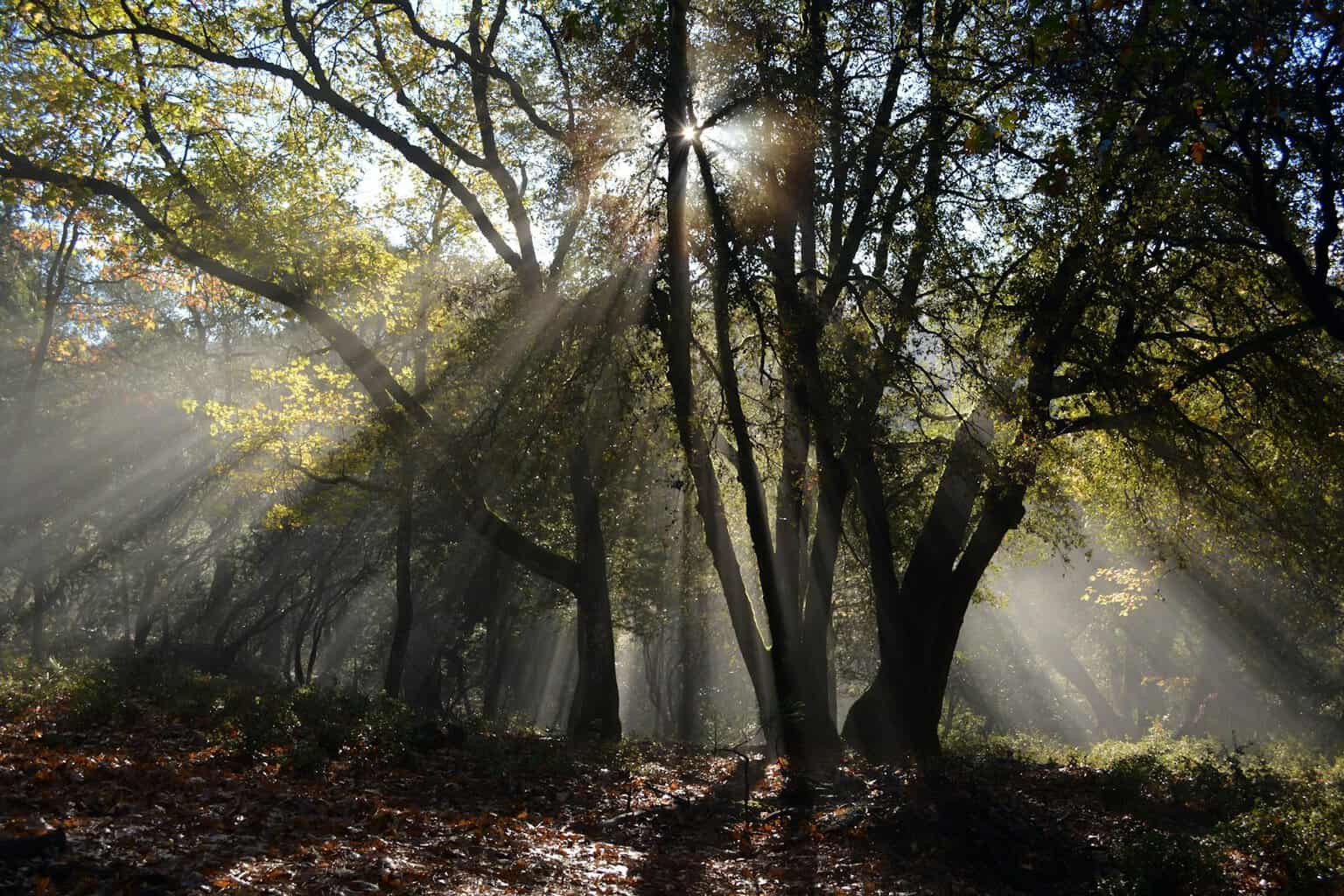
A late autumn wind pulls clinging leaves from the branches, some folks deserve and want an autumn wind, not a slow bitter winter.

This is a guest slot to give a platform for new writers either as a one off, or a prelude to becoming part of the regular Slugger team.
Discover more from Slugger O'Toole
Subscribe to get the latest posts sent to your email.