
Next week, Queen’s University will host a symposium on ‘Unions and Unionism: Brexit and these Islands’. It’s an apt opportunity for reflection given the increasingly tumultuous Brexit negotiations and the DUP’s place in this precarious process.
The symposium begins on Thursday 24 October, 4.45-6.30 pm with a keynote address on ‘Exodus, Reckoning, Sacrifice: Three Meanings of Brexit’ by Kalypso Nicolaidis, Professor of International Relations and Director of the Centre for International Studies at the University of Oxford.
Friday 25 October is a full day (8.45 am-4.15 pm) of contributions on ‘Unionisms in Ireland’, ‘Unionisms in England’, ‘Wales in the Union’, and ‘Unionism and Brexit’. All sessions are in the Council Chamber. Admission is free and registration is not necessary.
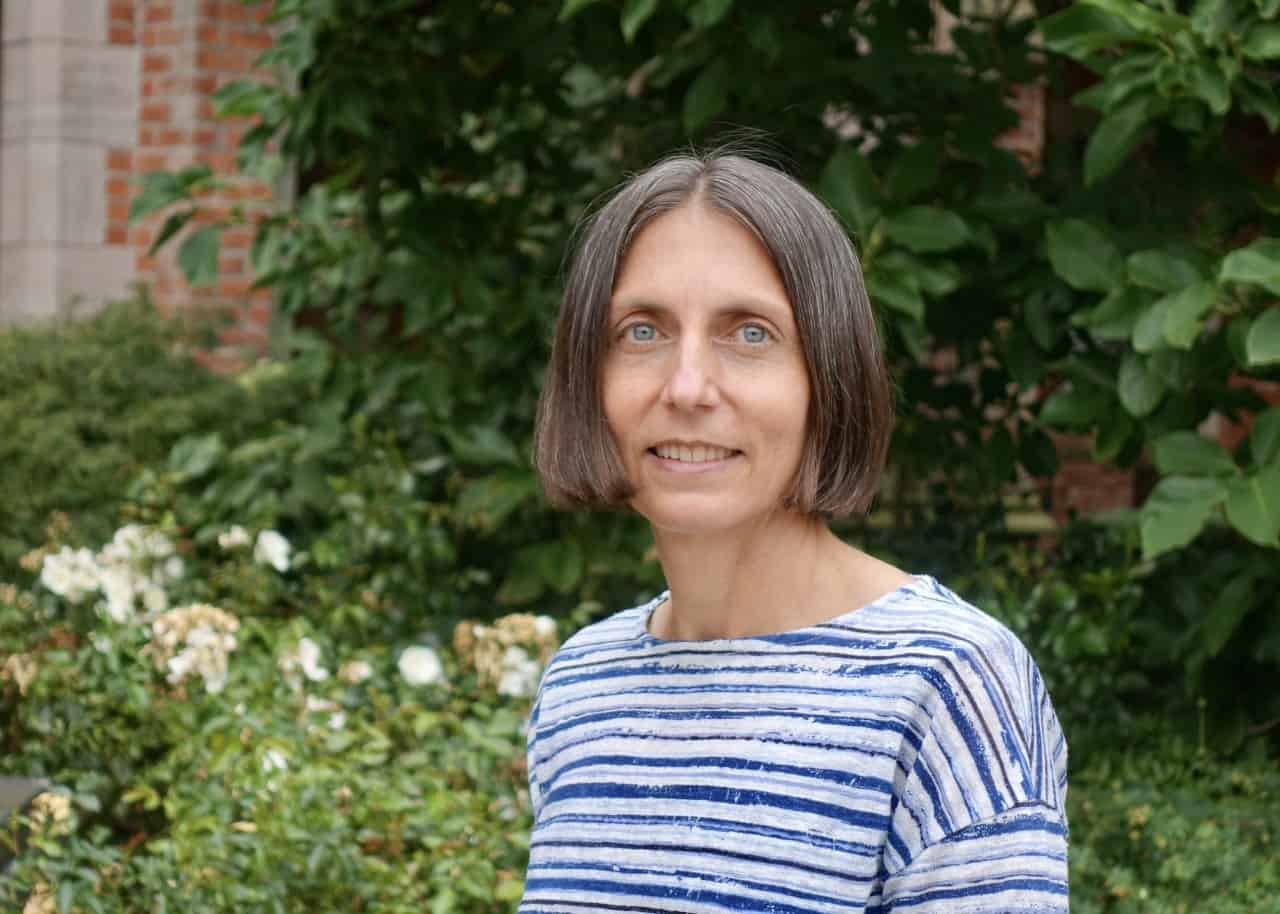
Jennifer Todd, Professorial Fellow at University College Dublin, and Henry Patterson, Professor Emeritus at Ulster University, are the main speakers on ‘Unionisms in Ireland’, 9.10-11.00 am on Friday.

As power-sharing regimes stabilize, their anxiety grows, backsliding begins, and eventually the very power-sharing agreement is undermined.
The pattern is clear among unionists in Northern Ireland after the Good Friday Agreement. It is not atypical. The same pattern happened in the Republic of North Macedonia, driven by the same identity anxieties among sections of the state-centred ethnic Macedonians. There it took radical intervention by international actors, the Albanian kin state and multi-ethnic social movements to restore functional powersharing. A similar restoration has not (yet?) happened in Northern Ireland.
4 morals follow
– First, the problem doesn’t lie in a freezing of identity, as the critics of consociationalism claim. It is rather change in state-centred identity that stimulates anxiety. Power sharing has positive potential for changing divided societies.
– Second, it is also dangerous. Once institutional drift begins it needs radical intervention to restore powersharing, and the problem is likely to recur each time powersharing is stabilised.
– Third, prevention is better than cure. For this we need a more radical normative vision and project. Pluralist compromise and respect for difference isn’t enough: this doesn’t work for state-centred groups, whose identity needs to change if any accommodation is to be possible. A normatively informed project for the future is needed, that allows critical distance from existing states and loyalties.
– Fourth, and analytically, comparative analysis of the trajectories and contradictions of unionisms – state-centred movements and ideologies – is needed.
[Todd’s blog is based on two more detailed research papers on ‘Institutions, identities and ideals: ethno-national conflict, complex power-sharing, and consociation theory’ and ‘Unionisms and the Challenges of Change’.]
Todd’s points about the necessity of ‘radical intervention’ to restore powersharing; and the desperate need for a ‘more radical normative vision and project … that allows critical distance from existing states and loyalties’, should give us serious pause for thought.
I struggle to think of any such projects gaining traction in the public sphere.

In the book, Mallon shows an appreciation for the contributions of unionists to life in Northern Ireland and empathy for their suffering during the Troubles. But whether Mallon’s ideas are widely and sympathetically considered, by people of all political persuasions and identities, is another matter altogether. And whether there are other ‘visions and projects’ out there, yet to be articulated and debated, is another matter yet again.

Gladys is a Professor of Sociology at Queen’s University Belfast and a member of the Royal Irish Academy.
She is also a runner who has represented Ireland and Northern Ireland. She blogs on religion and politics at gladysganiel.com
Discover more from Slugger O'Toole
Subscribe to get the latest posts sent to your email.