
‘I want to live in a beautiful place.’ Adam al-Najarr.
The Kingdom of Heaven belongs to little ones such as these, He said. To receive them is to receive me.
We know children don’t judge—they accept all others. They’re not yet socialised into tribes. They arrive fresh from God, with the scent of heaven on them. Any parent can testify that some of the holiest moments in life are when a newborn’s eyes lock onto theirs. The returned gaze forges a deep connection, charging one to care, to raise, both literally and figuratively.
Theta, the superlearning brainwave state in which children are deeply connected to their inner world, lasts from age two to six. They believe everything we tell them about life, themselves, and what we think of them.
Not a lot, apparently, if they are Palestinian. Malnourished five-year-olds with the development of a child half that age. Survival brings, at best, permanent ill health. One-half of Gaza’s children now wish to die. They believe what we have told them.
Our equivocations or neglect, our crossing to the other side of the road, has enabled terror and trauma to scribe feeble frames that shed weight, innocence and hope.
‘What you do to the least of these, you do to me.’
If we actually believe in the notion of the Imago Dei, the callous killing of an innocent child is surely the cruellest of Deicides.
We innately recognise the greatest of crimes are those committed against children. We know they have been targeted. Plentiful medical testimony witnesses to precision shots to the hearts. Of infants.
Some days, I think Evil has constellated in Gaza, with the ‘most moral’ mask torn away.
To cause one of these little ones to lose hope, to lose faith … it would be better to have a great millstone fastened around his neck and to be drowned in the depth of the sea.
But it’s been alarmingly easy, after decades of dehumanisation, to lever descent into the abyss of a new world of disorder. The bottom not yet plumbed, never mind the steep climb out commenced.
Soon after the event, and too late, the whole truth of motivations will emerge; the first draft of history has already been copiously written and filmed. We will see more grave heads nod and political and ecclesiastical chins stroked as performative lips move in regret, uttering, ‘I should have done more … spoken out sooner…’
But not soon enough to stop the sowing of fresh fields with dragons’ teeth rising, ready for revenge. In this little corner of the world, we know too much about that.
Back in late May, Dr Alaa al-Najjar, whilst working in the Emergency Room of the Nasser Medical Complex in southern Gaza, received the charred remains of nine of her ten children.
Some weeks later, when she and her surviving child, Adam, were offered refuge in Italy, she asked him about his hopes for the future.
‘I want to live in a beautiful place,’ he said. ‘A beautiful place is where there are no bombs, the houses are not broken, and I go to school. Schools have desks, and the kids study their lessons, but then they play in the courtyard, and nobody dies.
‘A beautiful place is where they operate on my arm, and it works again … and my mother is not sad. They told me that Italy is a beautiful place.’
Back in May, when Adam came out of the operating room, his hand amputated, he called out for his sister Eve, saying, ‘There’s blood on the tree.’
Here in Dystopia Land, we now know what it takes for a government to rouse itself in anger to condemn a ‘disgraceful attack.’
Red paint splashed on a couple of planes.

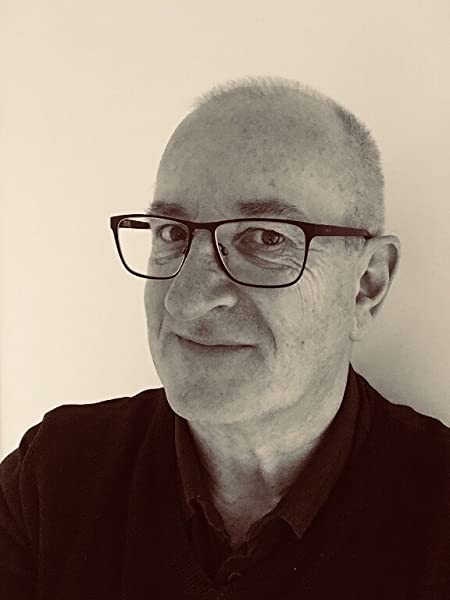
Roy Uprichard is a retired teacher who has published three ‘Camino type’ memoirs:
- On (and off) The Portuguese Way. Celtic Connections – Galicia, Ireland and Everywhere.(2021)
- Stone and Water – Walking the Variante route of the Camino Portugues.(2018)
- Restless Hearts – Walking the Camino de Santiago. (2016)
You can view his profile on Amazon.
He is also a member of Christians4Palestine.
Discover more from Slugger O'Toole
Subscribe to get the latest posts sent to your email.


