
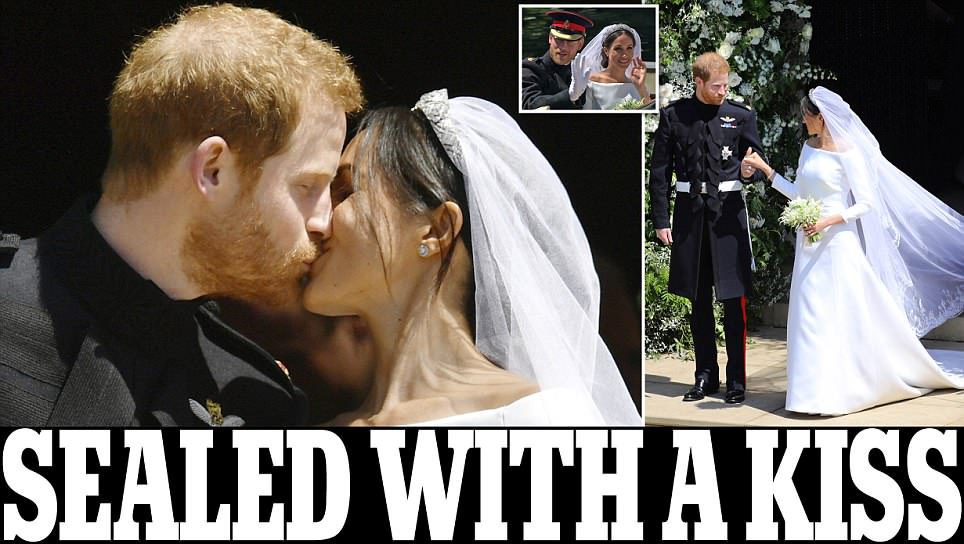
The wedding of the Kilkeels belongs in that part of the human imagination that houses dreams and fantasy. With identity such a great part of the imagination on our island, it is easily recognised as such, although what part of the imagination is affected can sharply differ.
My memories are vivid of the pretty decent royal coverage in the Dublin media in 1973 when I was covering the trial in Winchester of Gerry Kelly, the Price sisters and five others for the first London bombs the previous year. They were convicted on the same day as Princess Anne’s marriage to Captain Mark Phillips in Westminster Abbey. A different part of British tradition was on display in Winchester. Not just the facts of the trial itself that had brought the early IRA campaign to Great Britain for the first time, but the trial’s location in Winchester Great Hall where the Round Table of the mythical King Arthur’s knights was mounted on the wall near the judge. English hostility and suspicion of the Irish north, south, unionist or nationalist or in Britain, it made no difference, were brutally reawakened.
Royal weddings no longer register the divide between Ireland and Britain. They no longer grate as celebrations of British imperial power; for British power was a fading memory long before the time of Brexit. Irish reaction to them today provides a litmus test for the extent of British Irish reconciliation, quickened since the exchange of visits by the Queen and the President. By this measure, yesterday was passed with flying colours. The Indo reviewer even complained that RTE didn’t give viewers enough.
The 1916 leaders were probably spinning in their graves at the state broadcaster’s decision to cover Diana’s boy’s wedding to the American actress, but hey, if the Royal Family can forgive family outcast, Sarah Ferguson, over the infamous toe-sucking debacle, surely we can get over a mere few centuries of oppression?
While RTÉ’s coverage was great, I feel that the station missed the boat by not providing coverage of the build-up to the ceremony, because that’s where the majority of the fun and madness took place. By the time our coverage kicked in at 11.30am, we were practically frothing at the door of the main event..
As nobody appreciates symbols more than we do, we can understand the symbolism of the mature American woman of mixed race walking up the aisle alone, capturing in a single gesture the zeitgeist of #Me too and the reaction to the Windrush fiasco.
As a youthful rebel against the dark side of Protestant evangelicalism I was tickled to read how so many English agnostics and atheists thought the African- American bishop stole the show with his upbeat version. But Bishop Curry’s riff on fire :” If humanity ever harnesses the energy of fire again, if humanity ever captures the energy of love, it will be the second time in history that we have discovered fire,.” may instead have awakened unpleasant memories in the Queen’s mind of the fire of 1992 that nearly burned Windsor Castle down.
Contrary to much of what was written, there is nothing unusual these days for a grand Anglican service to embrace multiculturalism, for the very good reason that for a fair proportion of many congregations, it is their culture.
The A list celebs, ranging from Oprah and Serena to the Clooneys, the Beckhams, Elton John and dressy people I’ve never heard of gave the occasion the diverse global reach that must have reassured the establishment that they can still pull ’em in.
The wedding may have given us one of the last glimpses of the Queen and the retired Duke together, emphasising that the monarchy is an institution in transition. It’s a sobering thought that the next great royal event will be the either the Duke’s or the Queen’s funeral, where the soul searching will be far less comfortable.
Fundamentally the wedding was a £30 million pound investment in the future of the monarchy to set a seal of stability on the wobbly British state. How it actually works or even should work in an egalitarian age defies close analysis; but then that’s in the nature of imagination. With not much dissent, the consensus is that it was a very good investment indeed.

Former BBC journalist and manager in Belfast, Manchester and London, Editor Spolight; Political Editor BBC NI; Current Affairs Commissioning editor BBC Radio 4; Editor Political and Parliamentary Programmes, BBC Westminster; former London Editor Belfast Telegraph. Hon Senior Research Fellow, The Constitution Unit, Univ Coll. London
Discover more from Slugger O'Toole
Subscribe to get the latest posts sent to your email.


